


नवीनतम अद्यतन
समाचार और हाइलाइट्स
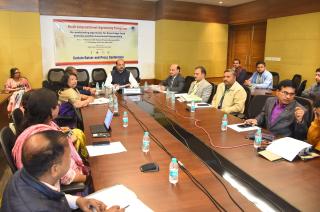
- रायसेन में आयोजित “उन्नत कृषि महोत्सव” के अंतर्गत केवीके सम्मेलन में कृषि नवाचार, वैज्ञानिक अनुसंधान एवं किसानों के सशक्तिकरण पर बल
- भाकृअनुप–आईआईएमआर, हैदराबाद एवं केवीके रामनगर द्वारा आदिवासी किसानों के लिए श्री अन्न (मिलेट) की खेती को बढ़ावा
- पश्चिम बंगाल के दक्षिण 24 परगना में एसएसकेवीके द्वारा सतत मृदा स्वास्थ्य हेतु संतुलित उर्वरक उपयोग पर गहन अभियान का आयोजन
- भाकृअनुप-डीएफआर, पुणे द्वारा पुणे जिले में संतुलित उर्वरक उपयोग पर जागरूकता अभियान की शुरुआत
- भाकृअनुप-आईआईएसडब्ल्यूसी, देहरादून ने मनाया 73वां स्थापना दिवस का किया आयोजन
- मॉरीशस के सिविल सेवकों ने भाकृअनुप-आईएआरआई, नई दिल्ली का किया दौरा
- भाकृअनुप द्वारा ‘साधना सप्ताह’ के अंतर्गत ‘शासन में सुधार’ विषय पर वेबिनार का आयोजन
- पशुपालन आयुक्त ने भाकृअनुप-निवेदी, बेंगलुरु का दौरा किया; रोग नियंत्रण एवं वैश्विक वैज्ञानिक सहभागिता को मजबूत करने पर दिया जोर
- भाकृअनुप-सिफा, भुवनेश्वर द्वारा मछली हार्वेस्ट मेला एवं लाइव फिश बिक्री का आयोजन
- भाकृअनुप-सिफा, भुवनेश्वर में “मत्स्य ज्ञान उत्सव 2026” का आयोजन, एक्वाकल्चर विज्ञान में छात्रों की भागीदारी को मिला प्रोत्साहन
- कारगिल की ‘सुई’ , किसान द्वारा उत्पादित अनार किस्म को पीपीवी एवं एफआरए अधिनियम, 2001 के तहत प्राप्त हुआ संरक्षण
- भाकृअनुप-डीओजीआर, पुणे द्वारा उन्नत आनुवंशिक अनुसंधान हेतु ऐतिहासिक प्याज एसएसआर डेटाबेस का किया शुभारंभ
- भाकृअनुप-सिफा, भुवनेश्वर ने आनुवंशिक रूप से उन्नत AhR-जयन्ती रोहू एवं सिपा-अमृत कतला (ट्रेडमार्क) के मल्टीप्लायर यूनिट हेतु एमओयू पर किया हस्ताक्षर
- भाकृअनुप–केवीके नामसाई में मशरूम स्पॉन प्रयोगशाला का उद्घाटन, स्थानीय आजीविका को मिलेगा सशक्त आधार
- भाकृअनुप–सीआईएफए, भुवनेश्वर ने 39वां वार्षिक दिवस का किया आयोजन
- भाकृअनुप–सीआईसीआर, नागपुर में स्थापना का स्वर्ण जयंती दिवस समारोह का आयोजन
- भाकृअनुप–भारतीय कृषि अनुसंधान संस्थान, नई दिल्ली ने 122वां स्थापना दिवस का किया आयोजन
- युद्ध के दौर में केंद्रीय मंत्री शिवराज सिंह चौहान ने महावीर स्वामी के अहिंसा के सिद्धांत से दिया दुनिया में शांति का संदेश
- भाकृअनुप संस्थानों ने वैश्विक रैंकिंग में नया कीर्तिमान स्थापित किया, भारत की कृषि उच्च शिक्षा के लिए मील का पत्थर
- भाकृअनुप–सीएसडब्ल्यूआरआई, अविकानगर ने भेड़ एवं बकरी में उन्नत प्रजनन तकनीकों के माध्यम से राजस्थान के पशु चिकित्सा कर्मियों को बनाया सशक्त

श्री शिवराज सिंह चौहान
केंद्रीय कृषि एवं किसान कल्याण तथा ग्रामीण विकास मंत्री

श्री भागीरथ चौधरी
केंद्रीय कृषि एवं किसान कल्याण राज्य मंत्री

श्री रामनाथ ठाकुर
केंद्रीय कृषि एवं किसान कल्याण राज्य मंत्री

डॉ. मांगी लाल जाट
सचिव (डेयर) एवं महानिदेशक(आईसीएआर)


आगामी कार्यक्रम
क्षमता निर्माण पर रिपोर्ट
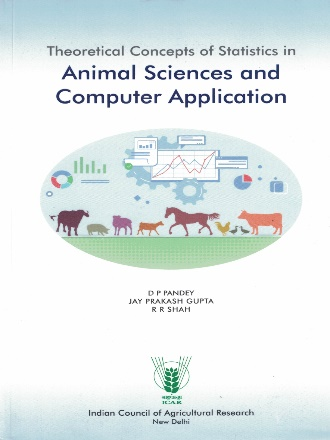
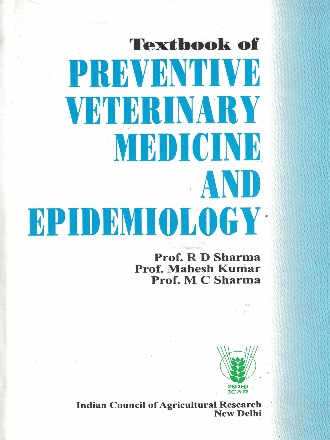
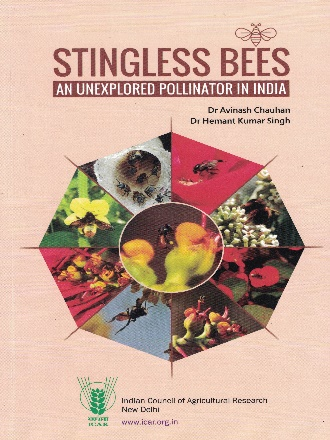
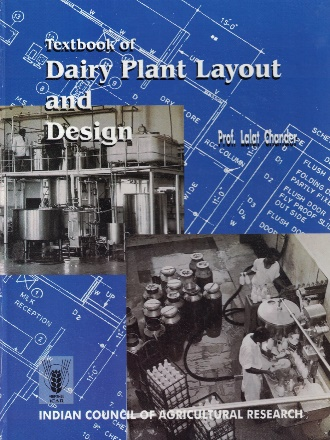
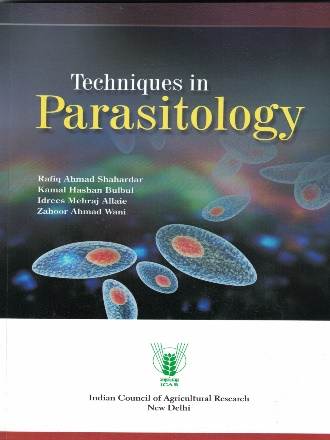
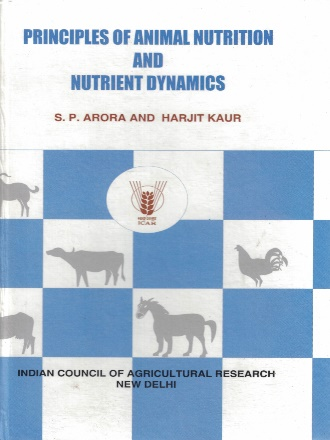
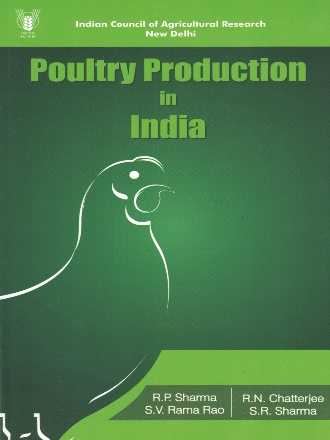
प्रकाशन












फेसबुक पर लाइक करें
यूट्यूब पर सदस्यता लें
X पर फॉलो करना X
इंस्टाग्राम पर लाइक करें