


2-11 February 2026, Mumbai
ICAR-Central Institute for Research on Cotton Technology, Mumbai organized a 10 day short course on ‘Advance in Nanotechnology Application for Agriculture’ during Feb 2-11, 2026. This course was sponsored by Indian Council of Agricultural Research, Ministry of Agriculture and Farmers Welfare, Government of India.
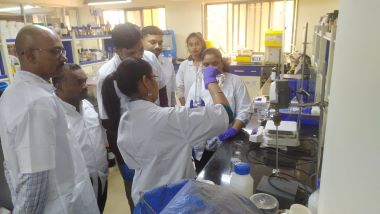
The ten-day short course covered wide variety of topics including synthesis of nanomaterials, various characterization techniques, application methods in agriculture & allied sectors, packaging of fruits & vegetables, finishing of cotton textiles, production of bio-nanocomposites & wound dressing, smart textiles & 3-D printing, environmental management, and nanotoxicology. Special emphasis was placed on hands-on practical exercises to be performed by the trainees themselves. Hands-on practical included synthesis and characterization of nanomaterials and their applications in agriculture, textiles and composites.
During the valedictory session the senior officials presented a brief report on the short course, covering topics such as lectures, practical exercises, visits to national laboratories, and discussions conducted throughout the programme.
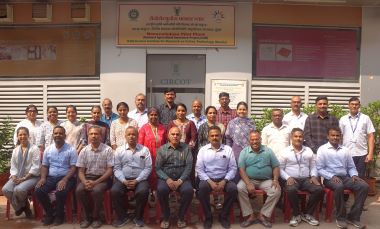
Dr. S. K. Shukla, Director, ICAR-CIRCOT, Mumbai in his valedictory address, emphasized the necessity of a collaborative approach to research for the successful adoption of nano-based technologies in agriculture and allied sectors. He also highlighted that training offers an opportunity for mutual learning, enriching the knowledge base of both trainers and trainees.
A total of 12 scientists and professors from various research organizations and universities in different states participated in this training programme.
(Source: ICAR-Central Institute for Research on Cotton Technology, Mumbai)





Like on Facebook
Subscribe on Youtube
Follow on X X
Like on instagram