


In a major research-led achievement, the ICAR-Central Marine Fisheries Research Institute, Kochi has supplied an additional five lakh hatchery-produced green mussel seeds to fisherfolk and tribal communities in Maharashtra, bringing the cumulative supply to one million seeds in 2026.
The green mussel seeds, measuring 2–4 millimetres, were produced at the bivalve hatchery in Vizhinjam Regional Centre of CMFRI in Thiruvananthapuram under the Pradhan Mantri Matsya Sampada Yojana (PMMSY) project.
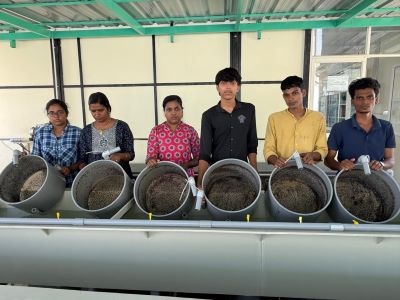
Alongside, an additional one lakh oyster seeds produced at the Madras Regional Station was also supplied to Maharashtra, boosting the prospects for oyster farming in the state.
The initiative was aimed at translating marine fisheries research into livelihood opportunities by promoting sustainable bivalve farming along the Maharashtra coast, said Dr Grinson George, Director, ICAR-CMFRI.
The combined promotion of green mussels and oysters is expected to diversify livelihood opportunities for fisherfolk and tribal communities and encourage the adoption of science-based coastal aquaculture practices.
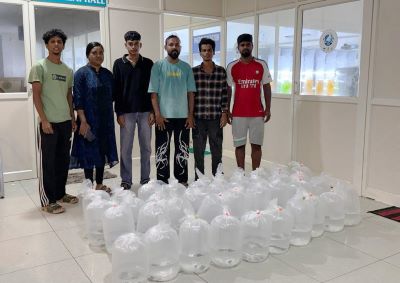
As part of the project, ICAR-CMFRI’s scientific team headed by Principal Scientist Dr M K Anil trained 30 government officials from Maharashtra’s Mangrove Cell in nursery rearing and farming techniques for mussels and oysters. The trained officials are expected to facilitate the transfer of practical knowledge and farming technologies to local communities.
The Mangrove and Marine Biodiversity Conservation Foundation in Maharashtra is coordinating farmer participation, linking seed supply and technical guidance with farming activities. The project is supported by the Union Department of Fisheries.
Prospects of bivalve farming
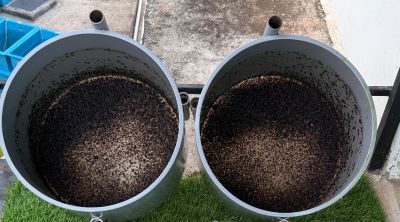
Bivalve farming is a low-investment, low-operational-cost technology with significant potential to strengthen coastal livelihoods while supporting ecosystem health. Once established in suitable areas, mussels and oysters require minimal external inputs, if water quality and environmental conditions are favourable. With proper site selection, monitoring and harvesting practices, this approach can offer sustainable livelihood opportunities for fisherfolk and local communities, particularly in coastal and mangrove regions.
When integrated with mangrove restoration initiatives, bivalve farming can support ecosystem conservation, as these filter-feeding organisms help improving water quality. Thus, bivalve farming represents a promising nature-based approach that combines livelihood generation, sustainable aquaculture and coastal ecosystem management.
(Source: ICAR-Central Marine Fisheries Research Institute, Kochi)





फेसबुक पर लाइक करें
यूट्यूब पर सदस्यता लें
X पर फॉलो करना X
इंस्टाग्राम पर लाइक करें