

Nagaland faces a significant gap between the demand and availability of animal-based protein, particularly meat and eggs. According to the Annual Administrative Report of the Department of Animal Husbandry & Veterinary Services, Government of Nagaland (2022–23), the state’s annual meat requirement is 52.37 MT, while availability stands at 23.87 MT, resulting in a reported deficit of 38.50 MT. Similarly, against an annual requirement of 1,870 lakh eggs, availability is only 350.42 lakh, leaving a substantial shortfall. Per capita meat availability is reported at 40 grams per day against the recommended 70 grams, while annual egg availability is 22 eggs per person compared with the requirement of 182.5 eggs. This situation highlights the need to strengthen local poultry production to improve nutritional security and create sustainable livelihood opportunities.
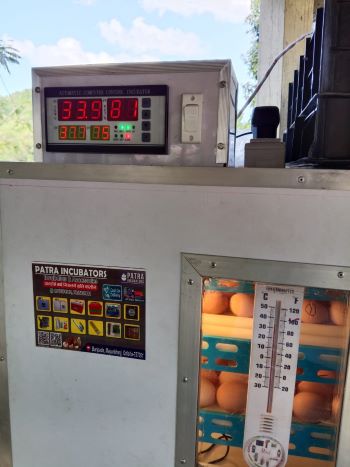
Addressing this challenge, Krishi Vigyan Kendra (KVK), Zunheboto, implemented a NABARD-sponsored programme titled “Promoting Sustainable Livelihood and Nutritional Security of Women SHGs through Low-Cost Egg Incubator and Backyard Poultry Production”. The initiative aimed to empower women farmers through scientific poultry management, improve household access to nutritious food and generate additional income through backyard poultry farming.
Under the programme, selected women beneficiaries received quality day-old chicks of the improved Rainbow Rooster strain, feed for the first 20 days, vaccination and medication support, feeders, drinkers and low-cost egg incubators for on-farm chick production. KVK scientists provided regular training, technical guidance and field-level support to help beneficiaries adopt scientific bird management practices and strengthen disease prevention. The introduction of low-cost incubators was particularly significant, as it enabled farmers to begin producing chicks locally and reduce their dependence on external sources.
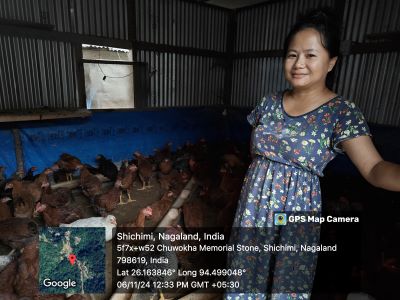
The programme has delivered encouraging results in terms of household nutrition and income generation. During the reporting period, beneficiary households consumed 1,380 birds, contributing to improved access to animal protein, while another 2,135 birds were sold to generate income. Average meat availability increased by 66.7 kg per household, and the beneficiaries collectively generated an income of ₹30,80,360. The programme also recorded the production of 22,618 eggs, which were either consumed by the households or sold. Each beneficiary earned a reported net income of ₹32,592 to date, demonstrating the potential of backyard poultry as a supplementary livelihood activity for rural women.
The low-cost incubators installed at farmers’ fields have also started producing chicks regularly. This development is expected to improve the local availability of chicks and meet the requirements of beneficiary villages and neighbouring areas in the coming years, while supporting the continuity and expansion of backyard poultry farming.
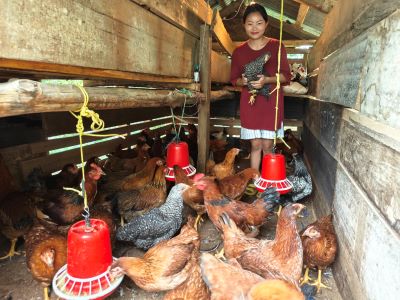
The NABARD-sponsored initiative implemented by KVK, Zunheboto, demonstrates how scientific poultry management, affordable technologies and sustained technical support can create livelihood opportunities while addressing nutritional challenges. By enabling women Self-Help Group members to produce poultry and eggs for household consumption and sale, the programme has strengthened their economic participation and encouraged self-reliance. The initiative offers a promising model for promoting women-led rural entrepreneurship, improving access to animal protein and supporting inclusive agricultural development in Zunheboto district and other parts of Nagaland.
(Source: KVK Zunheboto, Nagaland University, Lumami)




फेसबुक पर लाइक करें
यूट्यूब पर सदस्यता लें
X पर फॉलो करना X
इंस्टाग्राम पर लाइक करें