


The Eastern Himalayan region, recognized as one of the world's richest biodiversity hotspots, harbours an extraordinary wealth of wild edible fruit species that have sustained indigenous communities for centuries. Rich in vitamins, minerals, antioxidants, and diverse bioactive compounds, these underutilized species constitute an invaluable component of plant genetic resources with immense potential for ensuring food, nutritional, and livelihood security. Beyond their traditional importance, they represent a vital genetic reservoir for crop improvement, climate resilience, and diversification of horticultural production systems. However, despite their remarkable ecological and economic significance, many of these species remain underexplored and inadequately conserved. Recognizing this immense opportunity, scientists from ICAR–National Bureau of Plant Genetic Resources (NBPGR), New Delhi, in collaboration with ICAR–Central Institute for Subtropical Horticulture (CISH), Lucknow, and ICAR–Central Institute of Temperate Horticulture (CITH), Regional Station, Dirang, undertook an extensive exploration and germplasm collection mission across the western Himalayan landscapes of Arunachal Pradesh during October 2025 to document, conserve, and unlock the untapped potential of these precious genetic resources.
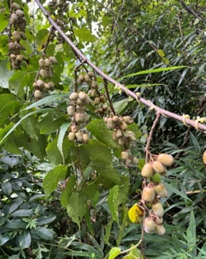
Over an intensive 11-day expedition, the research team traversed the rugged mountains, dense forests, community lands, remote villages, and natural habitats of West Kameng and Tawang districts, covering ecologically diverse locations including Dirang, Bomdila, Mandala, Sangti Valley, Senge, Jung, Jaswantgarh, Mago, Chuna, and adjoining areas. Characterized by wide altitudinal gradients ranging from temperate forests to alpine ecosystems, these landscapes provide ideal habitats for numerous wild edible fruit species while preserving rich indigenous knowledge associated with their utilization and conservation. Through systematic field exploration, the team successfully collected 71 germplasm accessions representing 19 genera belonging to 13 plant families, making the expedition one of the significant efforts towards strengthening India's fruit genetic resource conservation programme.
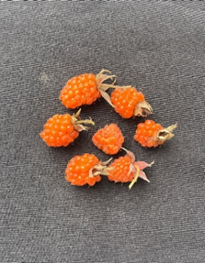
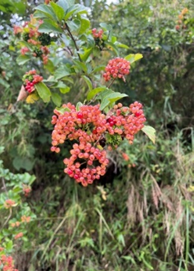
The exploration yielded an impressive diversity of economically and nutritionally important genera, including Rubus, Ribes, Vaccinium, Actinidia, Cornus, Pyrus, Rosa, Sambucus, Diospyros, Sorbus, Docynia, Berberis, and Illicium. Among these, the genus Rubus (raspberries and blackberries) emerged as the most dominant and genetically diverse group. A remarkable 32 species of Rubus were documented across sub-temperate, temperate, and alpine ecosystems, establishing Western Arunachal Pradesh as an important centre of Rubus diversity within the Eastern Himalayas. More than 30 germplasm accessions, including Rubus insignis, R. ferox, R. biflorus, R. lineatus, R. niveus, and R. sumatranus, were collected. The collections exhibited substantial variation in growth habit, thorn density, leaf morphology, fruit size, fruit colour, and ecological adaptation, indicating an exceptionally rich genetic base with tremendous scope for berry crop improvement, domestication, and the development of climate-resilient horticultural varieties.
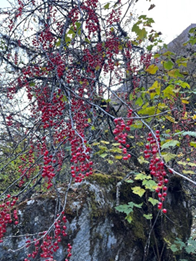
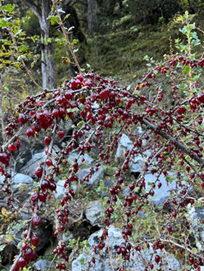
The expedition also uncovered substantial diversity within the wild Ribes genetic resources, comprising currants and gooseberries that are largely confined to the high-altitude Himalayan ecosystems of India. Several accessions of Ribes griffithii and Ribes alpestre were collected from temperate and sub-alpine regions situated above 3,000 metres above mean sea level, where they displayed remarkable variation in plant vigour, growth characteristics, and fruit morphology. These valuable genetic resources hold immense promise for future berry breeding programmes, conservation initiatives, and the development of improved cultivars capable of thriving under changing climatic conditions.
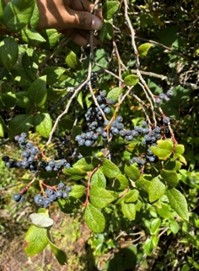
Beyond Rubus and Ribes, the exploration documented numerous other wild edible fruit species possessing exceptional nutritional, medicinal, aromatic, and horticultural significance. Notable collections included Actinidia callosa (wild kiwi), recognized for its high total soluble solids and excellent flavour; Vaccinium glaucoalbum (grey-white blueberry), valued for its high antioxidant potential; Cornus capitata (Himalayan dogwood), producing edible fruits; Sambucus adnata (Himalayan elderberry), considered an important resource for nutraceutical development; Diospyros lotus (date plum), offering promising potential as a genetic resource for rootstock development; Sorbus aucuparia (mountain ash), known for its cold tolerance and utility in temperate fruit improvement; and Illicium griffithii (Himalayan star anise), an important natural source of aromatic flavouring compounds. Additional valuable species such as Rosa webbiana, Allium fasciculatum, Pyrus, Docynia, and Berberis further enriched the collection, highlighting the remarkable diversity of underutilized fruit genetic resources present across the region.
The expedition extended beyond germplasm collection by fostering meaningful interactions with indigenous communities and local farmers, whose traditional ecological knowledge has played a crucial role in conserving these species over generations. Scientists documented valuable information on the utilization, cultural significance, conservation practices, and ethnobotanical importance of various wild edible fruits, creating an important bridge between traditional wisdom and modern scientific research. This integration of indigenous knowledge with systematic germplasm conservation provides a strong foundation for developing sustainable utilization strategies, promoting value addition, and enhancing livelihood opportunities for local communities.
The collected germplasm will now be conserved and subjected to comprehensive characterization for horticultural traits, nutritional quality, biochemical composition, bioactive compounds, and adaptive characteristics. These evaluations will facilitate the identification of superior genetic resources for future breeding programmes aimed at developing high-yielding, climate-resilient, nutritionally enriched, and commercially viable fruit crops. Simultaneously, the conserved germplasm will strengthen national efforts towards biodiversity conservation, sustainable utilization of underexploited fruit species, climate-smart agriculture, and long-term food and nutritional security.
This successful exploration reaffirms the Eastern Himalayas, particularly Western Arunachal Pradesh, as one of India's richest repositories of wild edible fruit diversity and underscores the immense importance of systematic germplasm exploration in safeguarding the nation's biological heritage. By combining scientific exploration with indigenous knowledge and conservation-oriented research, the initiative has not only secured valuable genetic resources for future generations but has also laid the foundation for developing resilient horticultural production systems capable of addressing emerging challenges of climate change, nutritional security, and sustainable agricultural development.
The authors gratefully acknowledge the Director, ICAR–National Bureau of Plant Genetic Resources, New Delhi, for providing financial support for the exploration programme. They also sincerely acknowledge the invaluable assistance extended by ICAR–Central Institute of Temperate Horticulture, Regional Station, Dirang, forest officials, local communities, and farmers whose cooperation was instrumental in the successful completion of this important germplasm exploration and conservation mission.





Like on Facebook
Subscribe on Youtube
Follow on X X
Like on instagram