


16 June 2026, Andaman and Nicobar Islands
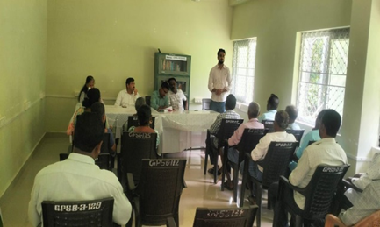
As part of the nationwide Khet Bachao Abhiyan, an awareness programme was organized at Shoal Bay 14 Village under Ferrargunj Block, Andaman and Nicobar Islands, to promote sustainable agricultural practices and strengthen soil health management in the island ecosystem.
During the programme, experts highlighted the growing concern of declining agricultural productivity resulting from the prolonged and indiscriminate use of chemical fertilizers. The discussions focused on the adverse impacts of excessive inorganic fertilizer application on soil health, beneficial microbial activity, and long-term crop productivity.
Farmers were sensitized to sustainable alternatives, including the cultivation and incorporation of Dhaincha (Sesbania spp.) as a green manure crop, balanced and judicious use of NPK fertilizers, and the adoption of organic and natural farming practices suited to island conditions. Participants were encouraged to gradually transition towards eco-friendly and resource-efficient farming systems based on local agro-climatic conditions and crop requirements.
A technical session on the use of Azolla in rice cultivation was also conducted. The role of Azolla as a biofertilizer in nitrogen fixation, soil fertility enhancement, and reduction of chemical fertilizer dependency was explained in detail. Demonstrations were provided on converting locally available aquatic weeds into compost, thereby promoting waste recycling and sustainable nutrient management. Farmers were further informed about the preparation and application of fish waste-based liquid fertilizer as an effective organic nutrient source.
An interactive discussion focused on the use of Brahmastra and Jeevamrut for improving soil fertility and reducing pest and disease incidence in vegetable crops. The programme also emphasized the application of biological control agents such as Trichoderma and Bacillus thuringiensis (Bt) as environmentally friendly alternatives to chemical pesticides in horticultural production systems. In addition, the use of neem oil for the management of mealybug infestations in coconut plantations was highlighted.
The programme witnessed enthusiastic participation from the farming community, with 25 farmers actively attending and engaging in the discussions. The event served as an important platform for promoting climate-resilient, sustainable, and environmentally responsible agricultural practices in the island region.
(Source: ICAR-Central Island Agricultural Research Institute, Sri Vijaya Puram, Andaman & Nicobar Islands)





Like on Facebook
Subscribe on Youtube
Follow on X X
Like on instagram