


7-8 May 2026, Hooghly
Under the campaign on scientific and balanced fertiliser use, twin awareness programmes on soil health management and sustainable fisheries were jointly organized by ICAR-Central Inland Fisheries Research Institute, Barrackpore and Krishi Vigyan Kendra (BCKV) Hooghly at Baksagarh under Balagarh block and at Chinsura in Hooghly district. The programmes aimed to create awareness among fish farmers and other stakeholders on the importance of soil health management and balanced fertiliser use for improving aquaculture productivity, sustaining pond ecosystem health, and ensuring long-term environmental sustainability through need-based and scientific nutrient management practices.
Addressing the programmes virtually, Dr Pradip Dey, Director, ICAR-CIFRI emphasized the importance of scientific, location-specific, and need-based balanced fertiliser management practices for promoting sustainable fisheries and maintaining soil and water health. He highlighted that balanced nutrient management not only enhances aquaculture productivity but also helps preserve pond ecology, water quality, and overall environmental sustainability. Stressing the emerging challenges of climate variability and natural resource degradation, Dr. Dey underscored the need for sustainable nutrient management approaches to develop resilient aquaculture systems capable of ensuring long-term food, nutritional, and livelihood security.
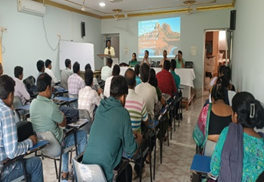
Experts shared practical insights on soil testing, integrated nutrient management, and the adverse consequences of excessive and indiscriminate use of chemical fertilizers.
A major focus of the programme was the critical role of soil health in sustaining agricultural and aquaculture productivity. Experts explained that healthy pond soil is fundamental for maintaining water quality, enhancing natural productivity, supporting healthy fish growth, and improving overall profitability in aquaculture systems. Participants were encouraged to move away from unscientific fertilization practices and adopt balanced nutrient application strategies based on scientific assessment and local requirements.
The deliberations also emphasized the importance of periodic soil analysis, proper selection and application of organic and inorganic fertilizers, and integrated nutrient management approaches tailored to local agro-ecological conditions. Such practices, experts noted, are vital for reducing input costs, minimizing environmental degradation, and maintaining ecological balance in farming and fisheries sectors.
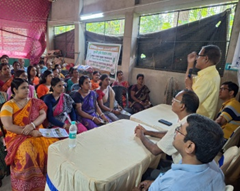
The programmes witnessed active participation from 82 farmers, including 52 men and 30 women, who engaged in extensive discussions with scientists and experts on issues related to balanced fertilizer application and integrated nutrient management in crops and aquaculture systems.
The interactive sessions created a platform for effective knowledge sharing and experiential learning, enabling participants to gain a deeper understanding of sustainable nutrient and soil management practices. The programmes concluded with enthusiastic farmer participation and a collective resolve to adopt environmentally responsible and scientifically guided fertilizer management practices for a more productive and sustainable agricultural and aquaculture future.
(Source: ICAR-Central Inland Fisheries Research Institute, Barrackpore)





Like on Facebook
Subscribe on Youtube
Follow on X X
Like on instagram