


Landmark Technologies
Prepared soil resource maps of the country (1:1 million scale), states (1:250,000 scale) and 55 districts (1:50,000 scale); soil degradation map of the country (1:4.4 million scale) & state soil erosion maps (1:250,000 scale)
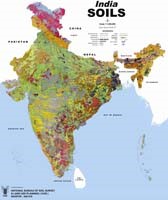
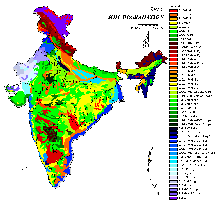
Twenty agro-ecological regions and sixty agro-ecological sub-regions of the country have been delineated and mapped on 1:4.4 million scale.
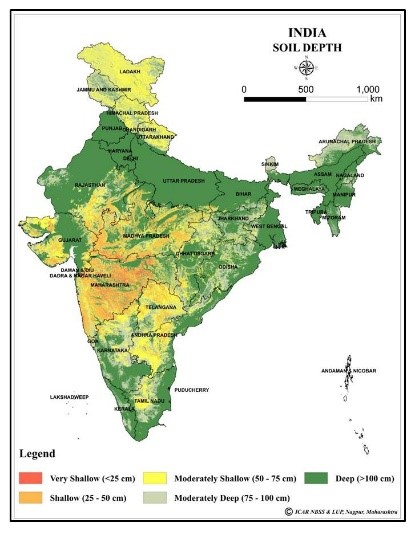
The first ever digital soil depth map of India (90 m resolution) was prepared using 25,683 soil profiles through machine learning models, aiding national land resource planning. https://icar-nbsslup.org.in/photo_gallery/
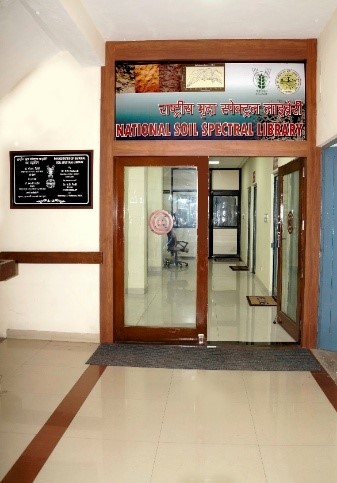
Developed the National Soil Spectral Library (NSSL), revolutionizes soil analysis through spectroscopy, housing geo-tagged hyperspectral data of Indian soils (>36,000) and enabling >80% accurate, AI-driven prediction of key soil properties for rapid, low-cost, real-time soil health assessment. https://bhoomigeoportal-nbsslup.in/NationalSoilSpectralLibrary/
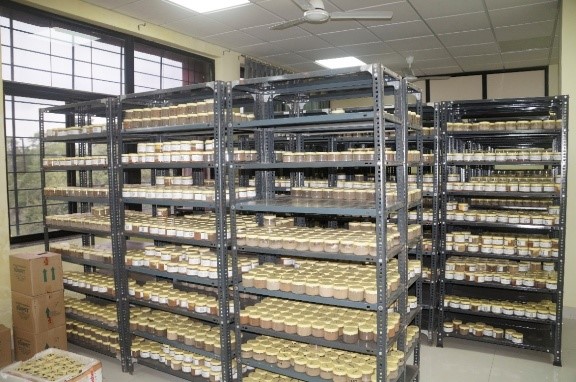
Developed 75 model watersheds with location specific soil and water conservation measures.
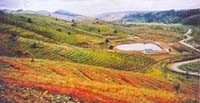
Developed sandune stabilization and shelterbelt plantation technologies to check wind erosion & desertification.
Developed cost effective liming technology for amelioration of acid soils, reclamation technology for salt affected soils and sub-surface drainage technology for waterlogged saline soils
Developed promising salt tolerant varieties for rice, wheat, mustard, gram, fennel and coriander.
Developed multipurpose rubber dam for watershed to reduce soil erosion, create water storage facility, enhance ground water recharge and quick & safe disposal of sediments
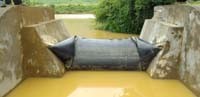
A low-cost small scale on-line filter was designed, fabricated and evaluated for safe use of urban waste water in agriculture.
Prepared geo-referenced soil fertility maps for 20 states & ready reckoners for soil test based fertilizer recommendations.
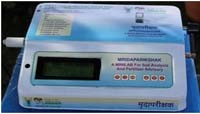
Developed a portable soil test kit/mini lab (Mridaparikshak) to supplement soil testing service in the country. The kit is useful in analysing soil samples for the purpose of distributing soil health cards to farmers
Developed Integrated Nutrient Management packages for major cropping systems .
Developed liquid biofertilizer formulations with longer shelf life. Identified potassium and zinc solubilizing bacteria. Also standardized vermi/bio-enriched composting technology.
Developed Pine oleoresin coated slow release urea and nano formulations namely 4G nano-based nutritional agri-inputs (phosphorus, magnesium, zinc, and iron), nano ZnO and nano rockphosphate for higher nutrient use efficiency.
A comprehensive on-line database on agro-forestry entitled "Agro-forestry BASE" developed.
Standardized different agro-forestry modules for arable and non-arable lands.
Developed resource conservation technologies (zero tillage, laser levelling, bed planting, SRI, LCC etc.) to save water, nutrient, labour and energy.
Identified bio-intensive cropping systems for irrigated, rainfed. Arid, hill and coastal ecosystems of the country for effective crop diversification.
Developed 45 IFS models covering for different agro-ecological zones in the country to enhance productivity profitability and livelihood
Developed organic farming package of practices for 51 crops/cropping systems.
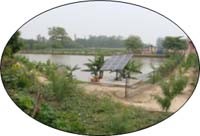
Developed agri-voltaic solar farming system for raising income both from agriculture and generation of electricity as well. The model enables growing crops under the solar panels. The agrivoltaic system improves the land productivity by increasing the land equivalent ratio (LER) up to 1.41. The break-even period of the system is about 10 years whereas the life cycle of the system is 25 years.
Developed solar devices like cooker, dryer, PV duster, PV winnower cum dryer, PV mobile unit, solar photovoltaic pumps for domestic and small agricultural applications.
Developed integrated weed management practices for different crops/cropping systems of the country. Also identified bio agents for effective control of water hyacinth, Parthenium and Velvet bush.
and popularized large number of farm implements for timely sowing and harvesting of rainfed crops and resource conservation.
Providing agro-advisories based on real time weather data.
Demonstrated climate resilient technologies in 151 most vulnerable districts in farmers’ participatory mode on to cope with various climatic aberrations.
Prepared Agricultural Contingent Plans for 648 districts and uploaded at www.farmer.gov.in and www.agricoop.nic.in to cope up with any climatic adversities.
Developed a conceptual framework for the promotion of agro-ecotourism as a multidimensional farming enterprise in coastal regions of India.
Innovative technologies on planting techniques, crossing/manual pollination, canopy management, shading technology, and integrated diseases management have been developed for successfully cultivation of Dragon fruit in shallow basaltic murum soils of drought prone areas. These technologies have been published as the Package of Practices.
Developed package of practices for Chia cultivation in shallow murrum soils of drought prone area:: Production technology for Chia in medium black soil including seed rate, sowing time, nutrient, spacing, intercropping, irrigation and harvesting for degraded soils. The report is published in the form of NIASM technical bulletin (No. 49) and research papers.
Developed technology on package of practices for quinoa (Chenopodium quinoa) cultivation including date of sowing, water and nitrogen management in shallow basaltic murum soil. The report is published in the form of NIASM technical bulletins (No. 21 and 83) and research papers.
Developed Nano-mineral feed mixture for mitigation of Arsenic (As), low pH, Ammonia (NH3), and high temperature (34 °C) stress in aquaculture and fisheries (Patent application Number: 202121041218).
Developed Nano-herbal formulations to control fish parasites reared under abiotic stress conditions (Patent application Number: 202321044695)
Developed Novel Microstimulant for alleviation of multiple abiotic stresses (As, NH3, Pb and high temperature) for Aquaculture (Patent application Number: 202121048471)
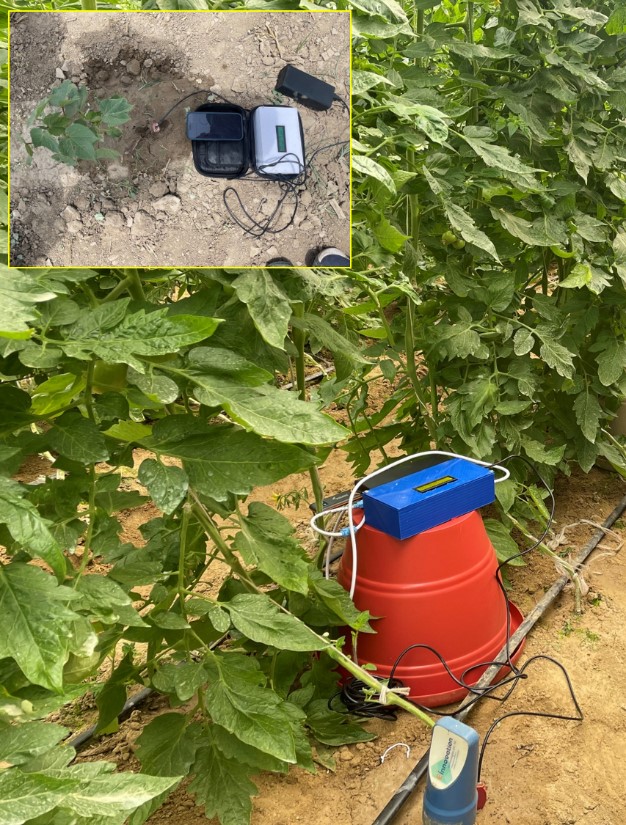
Developed IoT-enabled soil moisture sensing system for irrigation scheduling which could save 10-15% water compared to traditional irrigation scheduling.
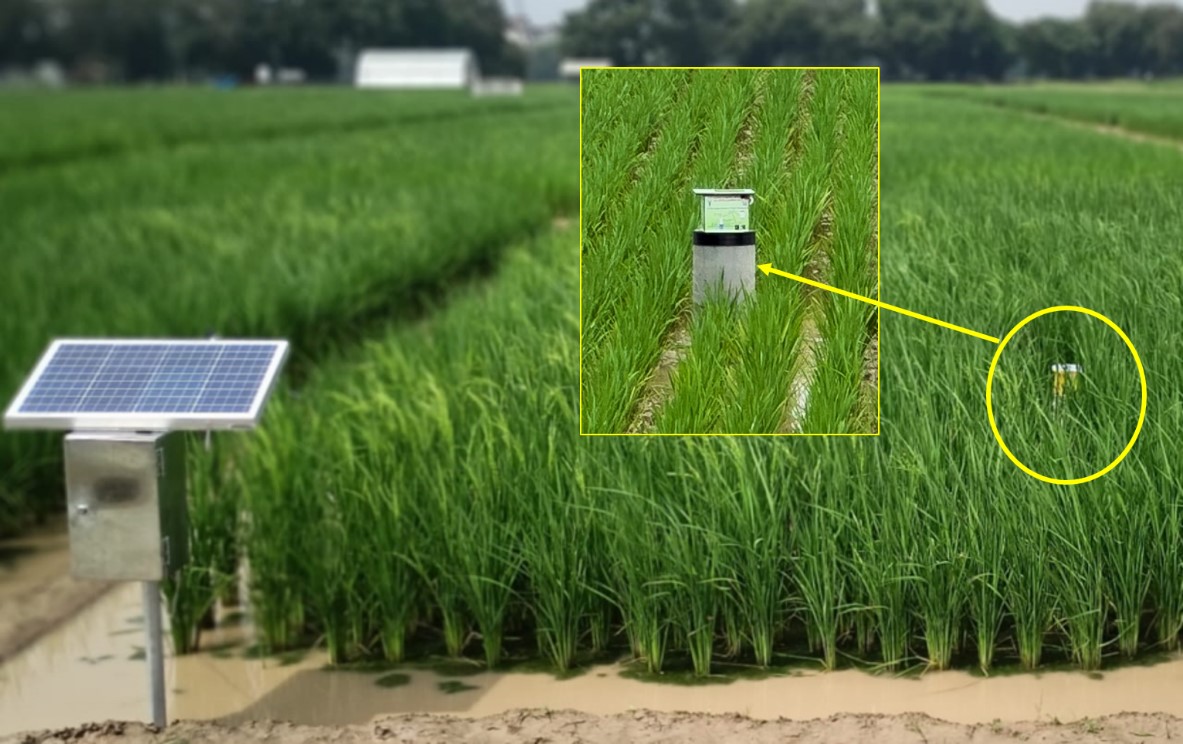
Developed automated alternate wetting and drying (AWD) irrigation scheduler for transplanted rice which could save about 17.0% of water.
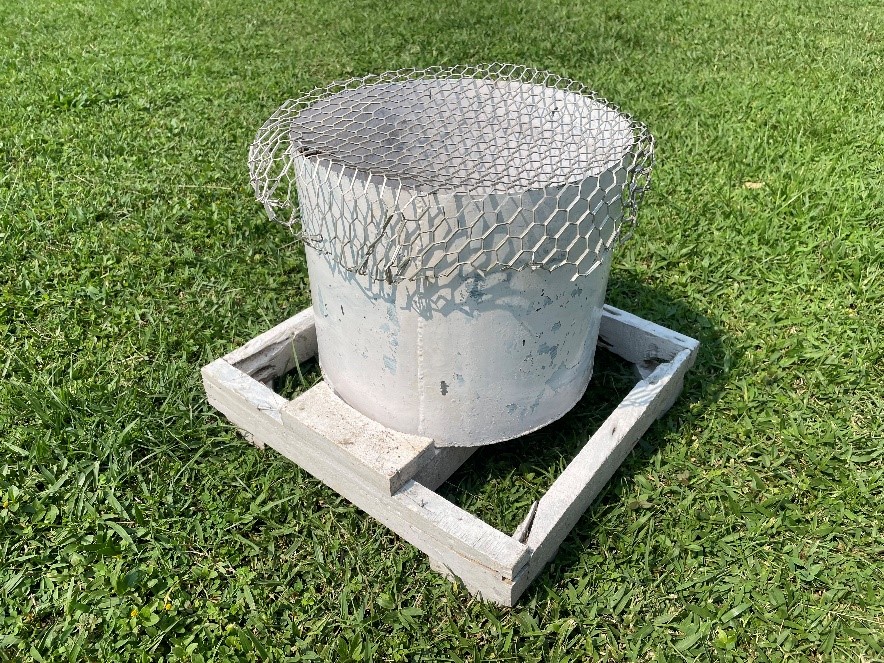
Developed mini pan evaporimeter with low cost (₹1,100 per each) for on-farm irrigation scheduling.
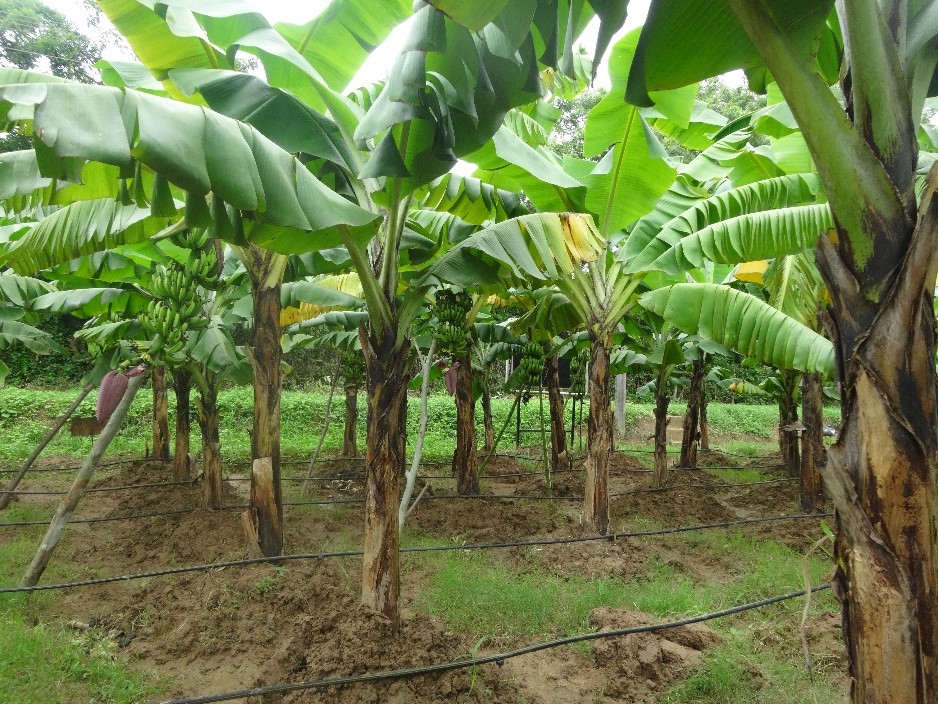
Developed schedule of sensor-based micro irrigation systems which could save 20.0% water with improving yield by 15.0% in drip-irrigated banana.
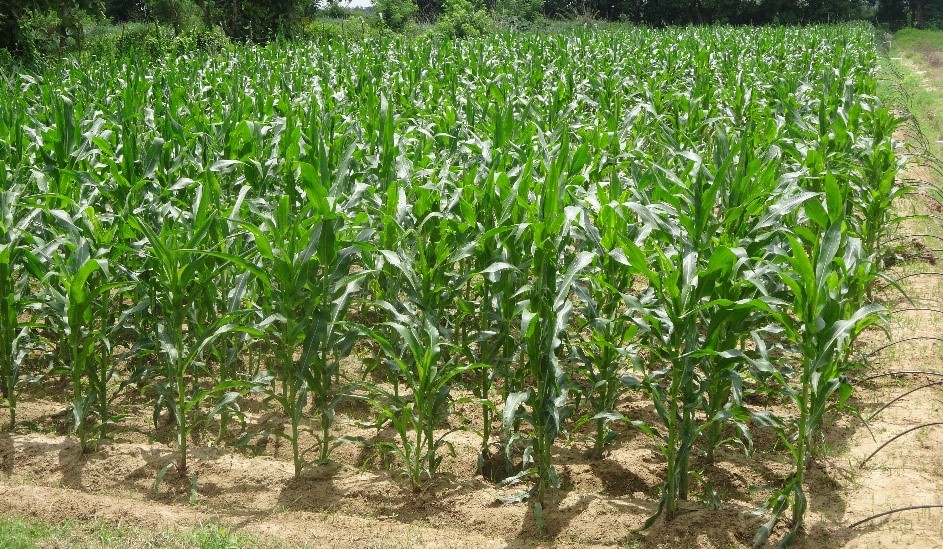
Developed irrigation scheduling of subsurface drip irrigation system for maize-based cropping system in eastern India, which could save 16% water and produced 12.0% higher yield, resulting in 34.0% higher water productivity compared to surface drip irrigation.
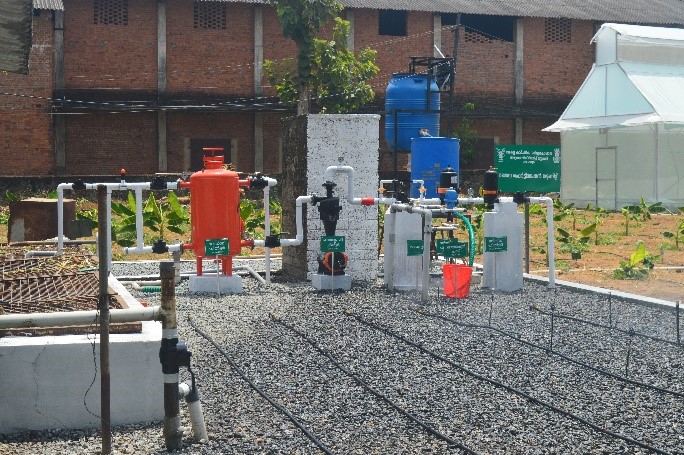
An organic fertigation unit has been developed using cow dung and vermicompost filtrate as a nutrient source through drip fertigation of crops. It is recommended that organic manure filtrate and 50.0% RDF should be applied to get a higher crop yield and improve the soil's nutrient and microbial status. The unit has been successfully tested for okra.
IOFS- Integrated organic farming system (IOFS) model (0.43 ha area) was developed for NEH Region. Model comprise of cereals, pulses, oilseeds, vegetables, fruits, dairy (2 milch cows + 1 calf), fodders, farm pond, duckery (20 ducks), farmyard manure pits and vermicomposting unit. A farm pond of 460 m2 area with an average depth of 1.5 m forms part of the IOFS that provides life-saving irrigation, rearing ducks and aquaculture. The data revealed that the net return from the IOFS model was Rs. 88,820/- per year which is much higher than the traditional farmer practices i.e. rice fallow or rice-vegetable system and estimated meeting the requirement of 98.0% of the total N, 83.8% of the total P, 99.4% of the total K and the majority of the micronutrient requirement.
Different components under IOFS model |
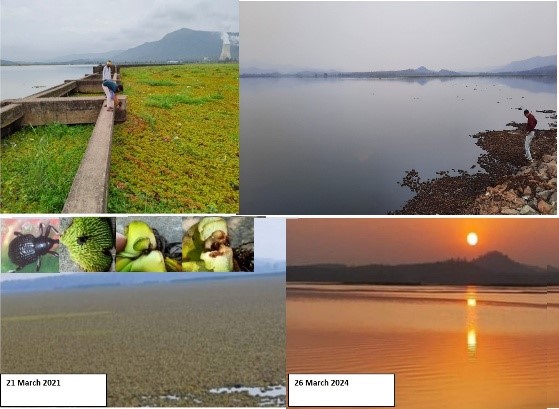
Bio-control technology for managing aquatic weed Salvinia using Cyrtobagous salviniae (1652 hectares in Madhya Pradesh, Maharastra and Chhattisgarh), resulted in eco-friendly weed management, improvement of livelihood of fishermen and restoration of biodiversity.
Developed SOPs for herbicide application through Drones in different field crops, and also imparted trainings for capacity building.
Technology developed for management of herbicide resistant Phalaris minor in wheat in Punjab and Haryana states (approximately 3.60 million ha) generating additional income of Rs. 5985 crores annually.
Developed 03 Mobile Apps (Weed Manager, DWR-HerbCal, Weedseed Guru) for weed identification and management.
 |  | |
Weed Manager | HerbCal | Weedseed GURU |





Like on Facebook
Subscribe on Youtube
Follow on X X
Like on instagram