


12-17 October 2026, Madhya Pradesh
Nine farmers from Bhopal, Rajgarh and Vidisha districts of Madhya Pradesh participated in a six-day training programme conducted from 12–17 October 2026 at ICAR–National Bureau of Agricultural Insect Resources, Bengaluru, on ‘Mass Production of Macrobials, Microbials, Entomopathogenic Nematodes, Pollinators and Pheromone Traps for the Farmers of Madhya Pradesh.’
Dr T. Venkatesan, Director, ICAR-NBAIR, emphasized the importance of biological control in promoting sustainable agriculture and encouraged farmers to adopt biological control practices to reduce their dependence on chemical pesticides.
The farmers were briefed on various eco-friendly pest management technologies, including the use of predators, parasitoids, microbial biocontrol agents and pheromone traps. The session also highlighted their role in effective pest management and promoting environmentally sustainable crop protection practices.
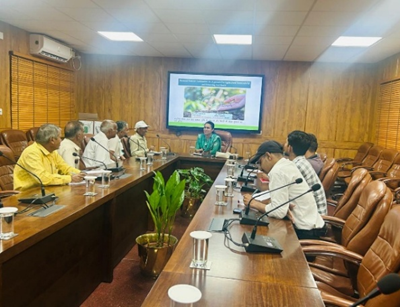
During the programme, hands-on training was provided in the mass production of important biological control agents, including trichogrammatids, chrysopids and predatory bugs. The farmers also gained knowledge of the production and application of microbial biocontrol agents, including entomopathogenic fungi, bacteria and viruses, as well as entomopathogenic nematodes. In addition, they were introduced to the use of slow-release pheromone formulations for effective pest monitoring and management.
The programme also highlighted the importance of pollinators in improving crop yield and maintaining ecological balance. The farmers were further familiarized with the rearing and maintenance of stingless bees and their role in crop pollination.
As part of the programme, participants were sensitized to the importance of balanced fertilizer application and the use of organic manures for maintaining soil health and promoting sustainable agricultural practices.
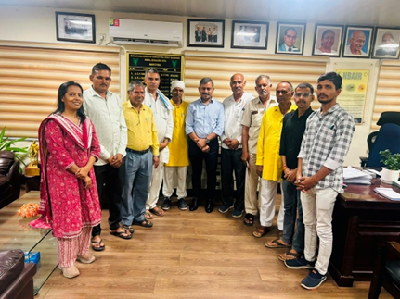
As part of the exposure visit, on 16 October 2026, the farmers visited ICAR–Indian Institute of Horticultural Research, Bengaluru, where they learned about improved varieties of vegetables, fruit crops, medicinal plants and flowering plants. The visit provided valuable exposure to horticultural crop diversity and improved cultivation practices.
The training programme aimed to strengthen farmers’ knowledge and practical skills in the mass production and utilization of biological control agents and other eco-friendly pest management technologies. It sought to promote sustainable agricultural practices and encourage the adoption of integrated pest management approaches to reduce dependence on chemical pesticides.
(Source: ICAR–National Bureau of Agricultural Insect Resources, Bengaluru)





Like on Facebook
Subscribe on Youtube
Follow on X X
Like on instagram